
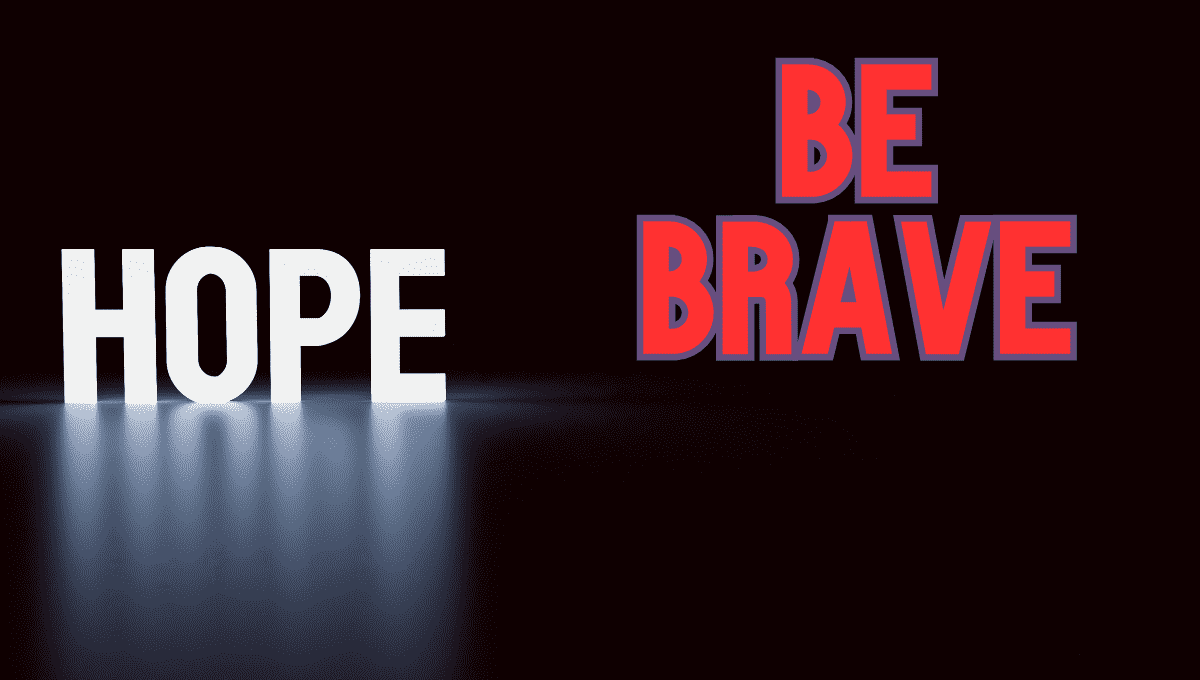
Graphic design is the visual communication medium of our age, a powerful tool for sharing ideas, branding businesses, and affecting consumer behaviour. Despite its ubiquity, one vital part of graphic design often goes unnoticed: typography in graphic design. This article delves into typography’s powerful yet quiet role in shaping visual narratives. Understanding its impact can markedly boost your graphic design projects.
What is Typography?
Typography in graphic design is the strategic arrangement of text elements to enhance visual appeal and readability. It involves choosing the right typeface, font, line length, and spacing.
Historical Background
Originating with Gutenberg’s movable type in the 15th century, typography in graphic design has evolved through digital advancements, providing designers with a multitude of font options.
Why it Matters
Typography in Graphic Design isn’t just for looks; it shapes how the text is understood, guiding attention and setting the emotional tone.
Basic Elements of Typography in Graphic Design
Typeface vs. Font
Though often used interchangeably, typeface and font are distinct terms in typography. A typeface represents a family of fonts, while a font refers to a specific style within that family. Understanding this difference is essential for effectively selecting design elements.
Type Families
Type families, like serif, sans-serif, and monospace, offer various styles within typography. Each type possesses distinct visual characteristics that impact readability and mood, underscoring the importance of making the right choice for your design.
Leading, Kerning, and Tracking
Leading, kerning, and tracking are essential aspects of typography in graphic design. Mastery of these elements enhances design harmony and readability by controlling vertical spacing, character space adjustment, and uniform character spacing.
Typography in Graphic Design: Shaping User Behavior.
Emotional Impact
Fonts in typography hold emotional weight; serif fonts evoke courtesy and trust, while sans-serif fonts project modernity and cleanliness. The chosen typeface subtly affects the reader’s emotions and reactions.
Readability
In typography in graphics design, achieving good readability is crucial. Elements like line length, point size, and spacing play a role in creating a comfortable reading experience that enables reader engagement.
Branding
Typography is often a cornerstone of brand identity. A uniform typeface can boost brand honour and share the brand’s personality, making it a strategic business tool.
Typography in Graphics Designing: Case Studies
Successful Examples
One iconic example showcasing the impact of typography in graphic design is Apple’s use of Helvetica Neue, conveying simplicity and modernity. Similarly, The New York Times utilizes a custom Old English typeface, establishing authority and tradition..
Unsuccessful Examples
On the flip side, the 2012 London Olympics faced typography in graphic design criticism for its typeface, which many found hard to read and overly complex. The choice adversely impacted the event’s branding, drawing attention for all the wrong reasons.
Typography in Graphic Design: Practical Tips for Design Incorporation.
Choosing the Right Font
Always align the typeface with the design’s intent and audience. Consider factors like readability, mood, and context before making a selection.
Balancing Type and Imagery
Good design achieves a harmonious balance between type and imagery. Ensure that the two complement each other rather than compete for attention.
Common Mistakes to Avoid
Common pitfalls include inconsistent typefaces, ignoring spacing elements, and overlooking readability in typography in graphic design. Awareness of these mistakes is the first step to avoiding them.
Typography in Graphic Design: Tools and Resources.
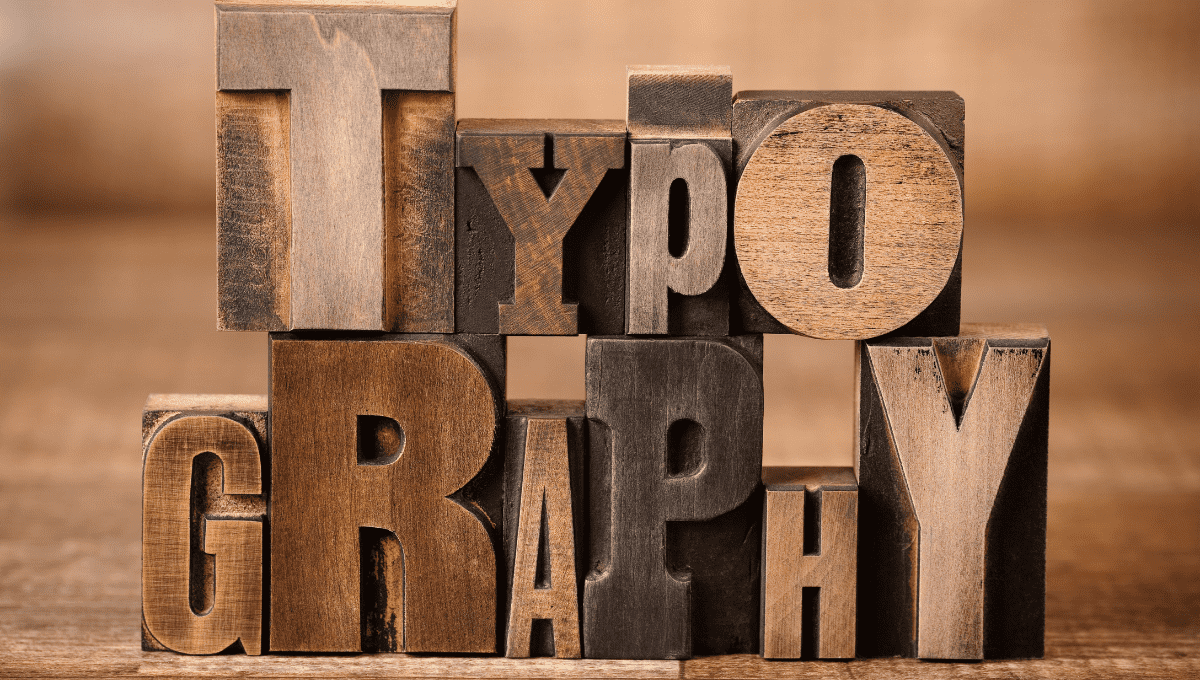
For digital design, software like Adobe Illustrator and Photoshop are invaluable for typography in graphic design. Websites like Google Fonts and Font Squirrel offer an extensive range of free typefaces to explore.
Frequently Asked Questions
What is the difference between typeface and font?
How does typography in Graphic design affect branding?
What are leading, kerning, and tracking?
Where can I find free fonts?
How do I improve readability in my designs?
Conclusion
Typography is a powerful tool that can make or break a design. Whether you’re a seasoned designer or just starting, understanding the intricacies of typography can elevate your projects and deepen the impact of your visual narratives. Armed with this knowledge, you’re now well-equipped to explore the hidden power of typography in graphic design.